Neoprene Bridge Bearings
Elastomeric bearing systems for bridge structures and civil works
View SpecificationsNeoprene Bridge Bearings
Neoprene Bridge Bearings are structural elements specifically designed to absorb movements, rotations, and loads in bridge structures and civil works.
Manufactured with high-quality neoprene, these bearings accommodate thermal, seismic, and live load movements, ensuring the durability and safety of structures.
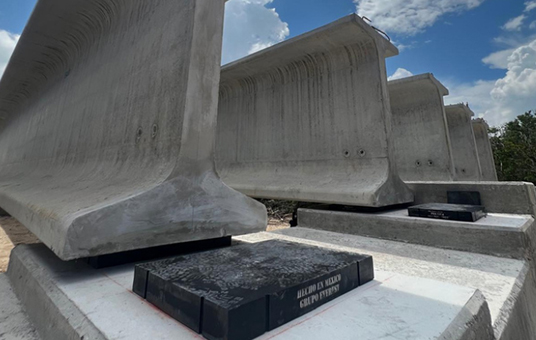
Technical Characteristics
Neoprene Bearings offer unique advantages for structural applications:
- High load capacity up to 1000 tons or more
- Excellent absorption of thermal and seismic movements
- Resistance to weathering and ozone
- Long service life exceeding 50 years
- Low maintenance required
- Easy installation
- Resistance to chemical agents and environmental contaminants
These bearings are essential to ensure proper structural behavior of bridges, overpasses, and other civil works.
Technical Specifications - Neoprene Bridge Bearings
| PARAMETERS | SPECIFICATIONS |
|---|---|
| HARDNESS, SHORE A | 60 +/-5 |
| TENSILE STRENGTH PSI | 17.5 Mpa |
| MAXIMUM ELONGATION % | 350% |
| COMPRESSION SET (22 hrs at 100°C) | 25% MAXIMUM |
| TEAR RESISTANCE | 45.1 N/mm |
| SELF-EXTINGUISHING FLAME | EQUAL TO OR LESS THAN 5 SECONDS |
| PARAMETERS | SPECIFICATIONS |
|---|---|
| ACCELERATED AGING TEST | 70 hrs at 100°C 17.5 Mpa |
| CHANGE IN TENSILE STRENGTH | 15% MAXIMUM |
| CHANGE IN ELONGATION | 40% MAXIMUM |
| MAXIMUM HARDNESS CHANGE (AGED) SHORE A | 5 POINTS +/- |
| OZONE CHAMBER RESISTANCE | NO CRACKS (100 hrs at 38°C) |
Types of Neoprene Bearings
Specific solutions for different structural requirements
Laminated Bearings
Neoprene with steel plates for high load capacity and deformation control.
Sliding Bearings
With PTFE surface for large movements and low friction.
High-Damping Bearings
For seismic zones with high energy dissipation capacity.
Civil Engineering Applications
Structures where neoprene bearings are essential
Highway Bridges
Bearings for concrete and steel bridges, viaducts, and highway overpasses.
Railway Bridges
Support systems for railroad bridges and mass transit structures.
Buildings and Structures
Seismic isolation in buildings, hospitals, schools, and critical structures.
Industrial Structures
Supports for heavy equipment, gantry cranes, and industrial plant structures.
Hydraulic Structures
Gates, dams, and structures in contact with water and humid conditions.
Special Structures
Tunnels, pedestrian walkways, and structures in seismic or high-risk zones.
Advantages of Neoprene Bearings
High Load Capacity
Support loads from 50 to 1000 tons, adapting to different structural requirements.
Movement Absorption
Allow for thermal, seismic, and live load movements, protecting the structure.
Environmental Resistance
Excellent resistance to ozone, weathering, saltwater, and chemical agents.
Long Service Life
Designed to last over 50 years with minimal required maintenance.
Vibration Damping
Reduce vibrations from traffic, wind, and seismic events.
Cost-Effective
Economical solution compared to other structural support systems.
Standards and Regulations
Compliance with major international codes and specifications
AASHTO LRFD
Bridge Design Specifications - Section 14: Joints and Bearings
ASTM International
D4014 - Standard Specification for Plain and Steel-Laminated Elastomeric Bearings for Bridges
EN 1337-3
Structural bearings - Part 3: Elastomeric bearings
ISO 22762
Elastomeric seismic-protection isolators
AS 5100.4
Bridge design - Bearings and deck joints
Local Standards
Technical specifications of each country and region
Design Considerations
Critical Design Aspects
Designing neoprene bearings requires considering vertical load, horizontal movements, rotations, environmental conditions, and specific seismic requirements of the project.
Design Parameters
- Maximum and minimum vertical load
- Expected horizontal movements
- Rotations on all axes
- Operating temperatures
- Site seismic conditions
Recommendations
- Complete structural analysis
- Load capacity verification
- Consideration of fatigue and creep
- Periodic inspection and maintenance
- Installation documentation
Need Neoprene Bearings for Your Project?
We offer specialized engineering and manufacturing of neoprene bearings for bridges and civil structures. Technical consulting for selection and design.