The evolution of neoprene bridge bearings has revolutionized bridge engineering, offering more durable, flexible, and efficient solutions for critical infrastructure. In this article, we explore the latest technological innovations transforming the construction sector.
What Are Neoprene Bridge Bearings and Why Are They Essential?
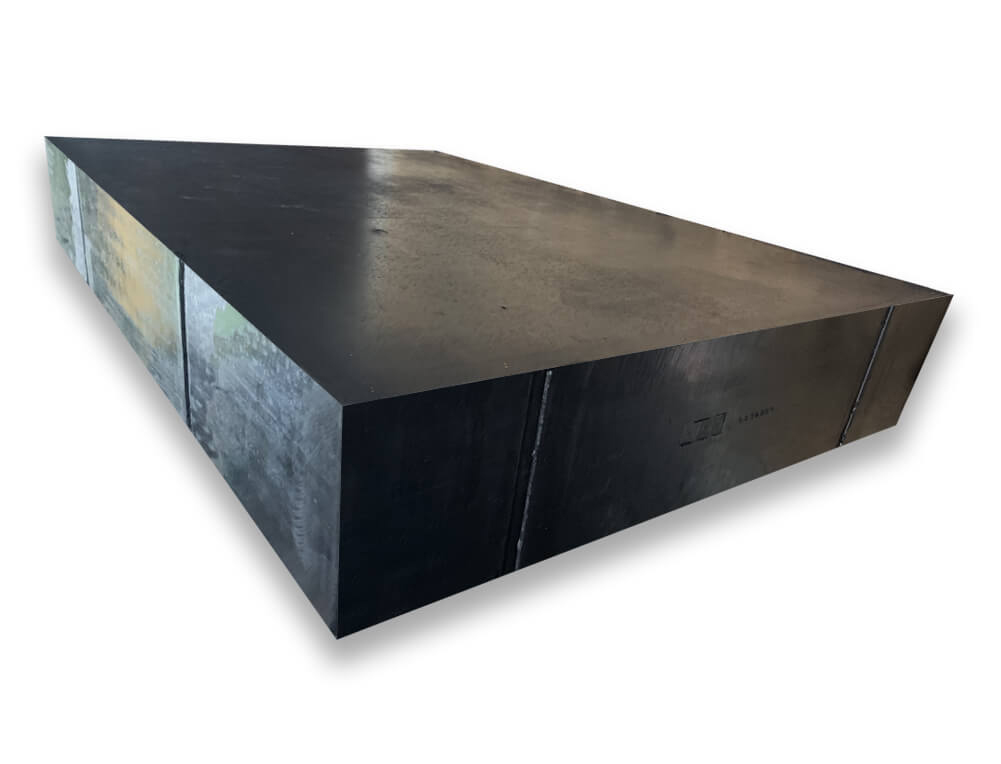
Neoprene bearings are structural elements designed to absorb movements and distribute loads in bridges and similar structures. Their composition of synthetic rubber reinforced with steel plates gives them unique elasticity and resistance properties that make them indispensable in modern engineering.
Main Functions:
- Movement absorption: Expansion, contraction, and vibrations
- Load distribution: Uniform weight transfer to substructures
- Seismic isolation: Earthquake protection
- Stress reduction: Minimization of structural tensions
Technological Innovations in Neoprene Bearings
1. State-of-the-Art Materials
Neoprene composition has evolved significantly. New elastomeric compounds offer:
Enhanced Thermal Resistance
Stability in ranges from -40°C to +70°C
Chemical Agent Resistance
Protection against oils, ozone, and oxidation
Higher Load Capacity
Up to 10,000 kN nominal capacity
Extended Service Life
Durability guaranteed for over 50 years
2. Smart Designs for Specific Needs
Modern bearings are designed considering unique factors of each project:
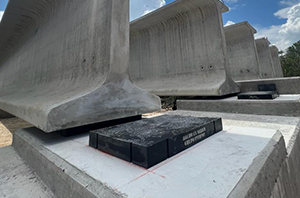
Advanced Customization
- Laminated bearings: Optimal combination of neoprene and steel layers
- Sliding systems: PTFE surfaces for larger movements
- Pot bearings: For structures with exceptional loads
- Seismic systems: Special designs for high seismic activity zones
3. Integrated Monitoring Systems
IoT technology has reached structural bearings:
Embedded Sensors
Real-time monitoring of deformations, tensions, and temperature
Predictive Analysis
Early detection of fatigue and preventive maintenance
Historical Recording
Complete documentation of structural behavior
Practical Applications in Real Projects
Urban Vehicular Bridges
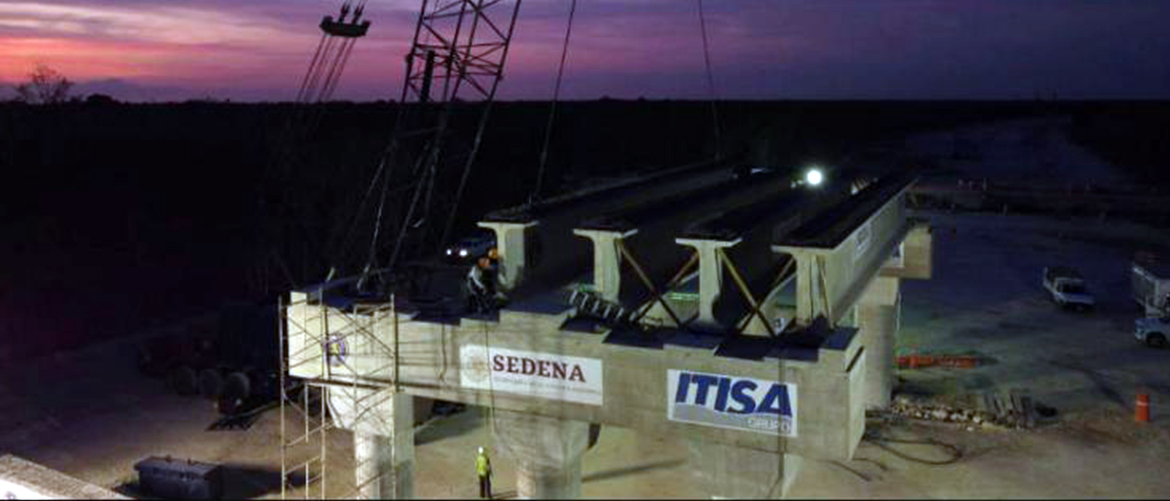
Implementation of high-capacity bearings for intense traffic and variable environmental conditions.
Railway Bridges
Specialized systems to absorb constant vibrations and dynamic train loads.
Elevated Structures
Application in high-rise buildings for seismic isolation and movement compensation.
Industrial Plants
Protection of structures against heavy machinery vibrations.
Competitive Advantages of Modern Bearings
| Feature | Traditional Bearings | Modern Neoprene Bearings |
|---|---|---|
| Service Life | 20-30 years | 50+ years |
| Maintenance | Frequent and costly | Minimal or none |
| Load Capacity | Limited | High and scalable |
| Installation | Complex and laborious | Fast and simple |
| Life Cycle Cost | High | Optimized |
Technical Considerations for Selection
Loads and Movements
Precise analysis of static loads, dynamic loads, and expected movements (expansion, contraction, rotation).
Environmental Conditions
Evaluation of temperature, humidity, chemical exposure, and seismic conditions of the area.
Certifications and Standards
Compliance with international standards (ISO, ASTM, EN) and quality certifications.
Installation and Maintenance
Planning of installation process and periodic inspection program.
Expert Advice...
"At EVEREST®, we always recommend performing a complete structural analysis before selecting neoprene bearings. Factors such as UV exposure, specific environmental chemicals, and dynamic load cycles should be considered from the design phase. Our team of engineers is available to evaluate your specific project and recommend the optimal solution."
Technical Director - Infrastructure Department
Featured Products
Discover our complete line of neoprene bridge bearings:
- Standard and special laminated bearings
- Sliding systems with PTFE
- Certified seismic bearings
- Customized project solutions